
Consequences of the Black Hawk War
A companion piece to "Galena and the Blawkhawk War" by Mike Jones found in the Galena Gazette
The most impactful consequences were: the slaughter of Black Hawk’s band, removal of Native peoples from Illinois and Wisconsin; and a boom of settler migration to the Federal Lead Mining District, especially Galena, after the war.
1. “Of the 1200 people who followed Black Hawk east of the river in April, roughly two hundred survived and returned to Iowa.”
2. “The Ho-Chunk had 3 million acres taken from them at the Treaty of Rock Island [a year after the war]. The Ho-Chunk were corn farmers. It was a “starving time through the winter of 1832 and the spring of 1833….”
“The Ho-Chunk were corn people.” The United States justified moving them and other Indigenous people so they would become farmers the “white way”—utilizing plows. In essence, when it came to the Ho-Chunk, the U.S. “sought to make farmers out of farmers.”
3. With Indigenous Nations expelled from their ancestral homelands, Euro-American settlers poured into the lead mine region after the cessation of hostilities. Galena boomed.
5. Grisly “trophies of war”—scalps—were displayed as “symbols of valor” by former militiamen. This occurred in Galena. One example among many: Addison Philleo, a doctor [doctor!] and editor of “The Galenian” newspaper, was derogatorily called the “scalping editor” by newspapers across the U.S.
The editor of The United States Gazette in Philadelphia commented: “It is not common for Editors to fight with weapons more potent than the goose quill—and when they do, it is the duty of the press…to note them.”
6. Ultimately, the United States expelled—rather, tried to expel—all Indigenous Nations from their homelands in Illinois and Wisconsin. The Ho-Chunk, Sauk and Meskwaki, especially, wouldn’t stay away. They came back time after time, a successful form of passive resistance. They are still here.
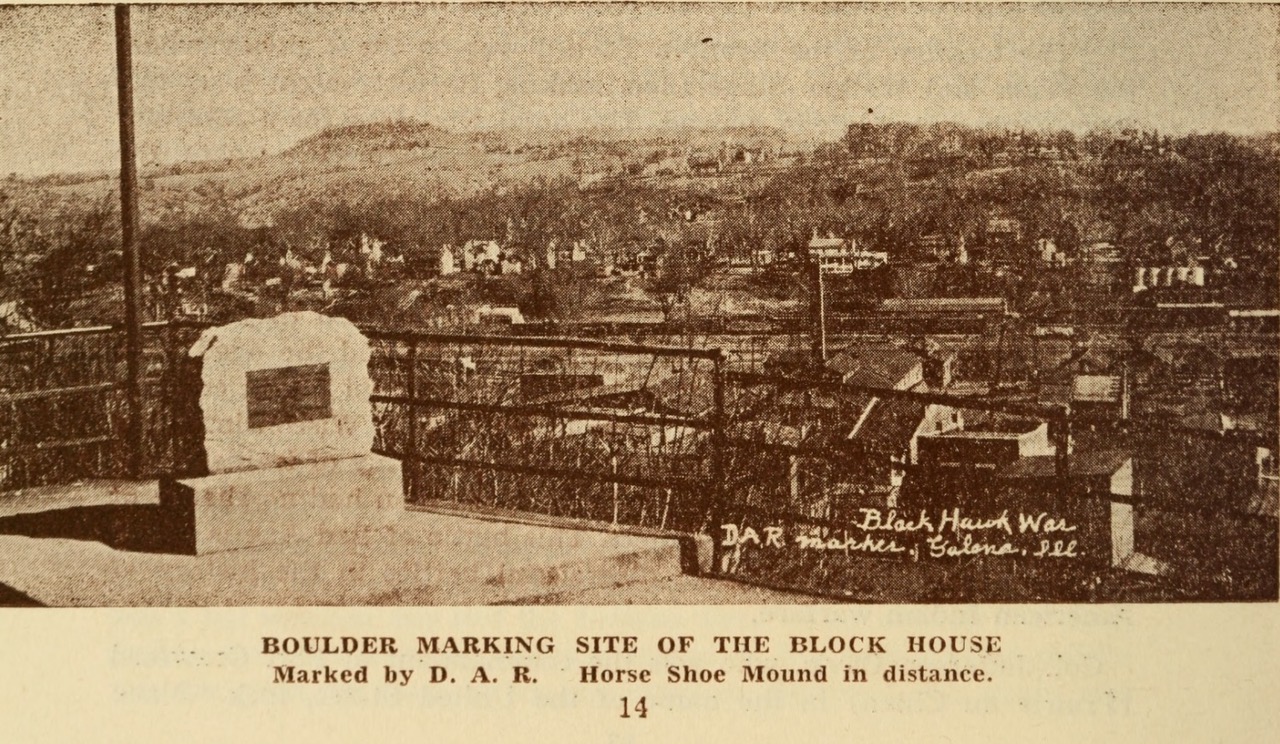
7. Temporary defensive structures hastily constructed in multiple locations were dismantled, including Galena’s stockade wall, blockhouses, and runway. In Galena, the Amos Farrar House, centerpiece of the Galena stockade, is the sole structure that remains.
All quotes not otherwise noted are from Tronnes.