
Margaret Gardner
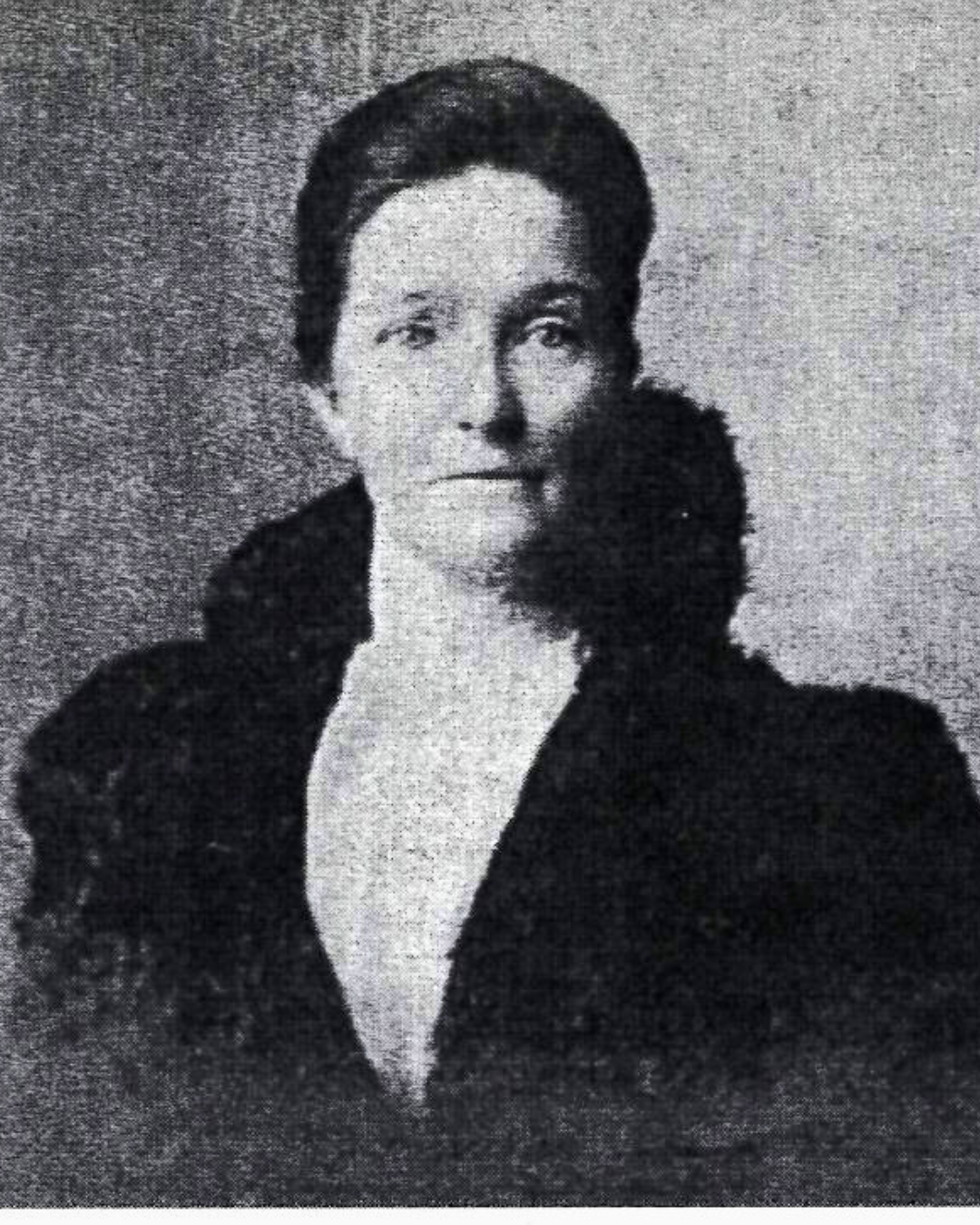
A young Margaret Gardner
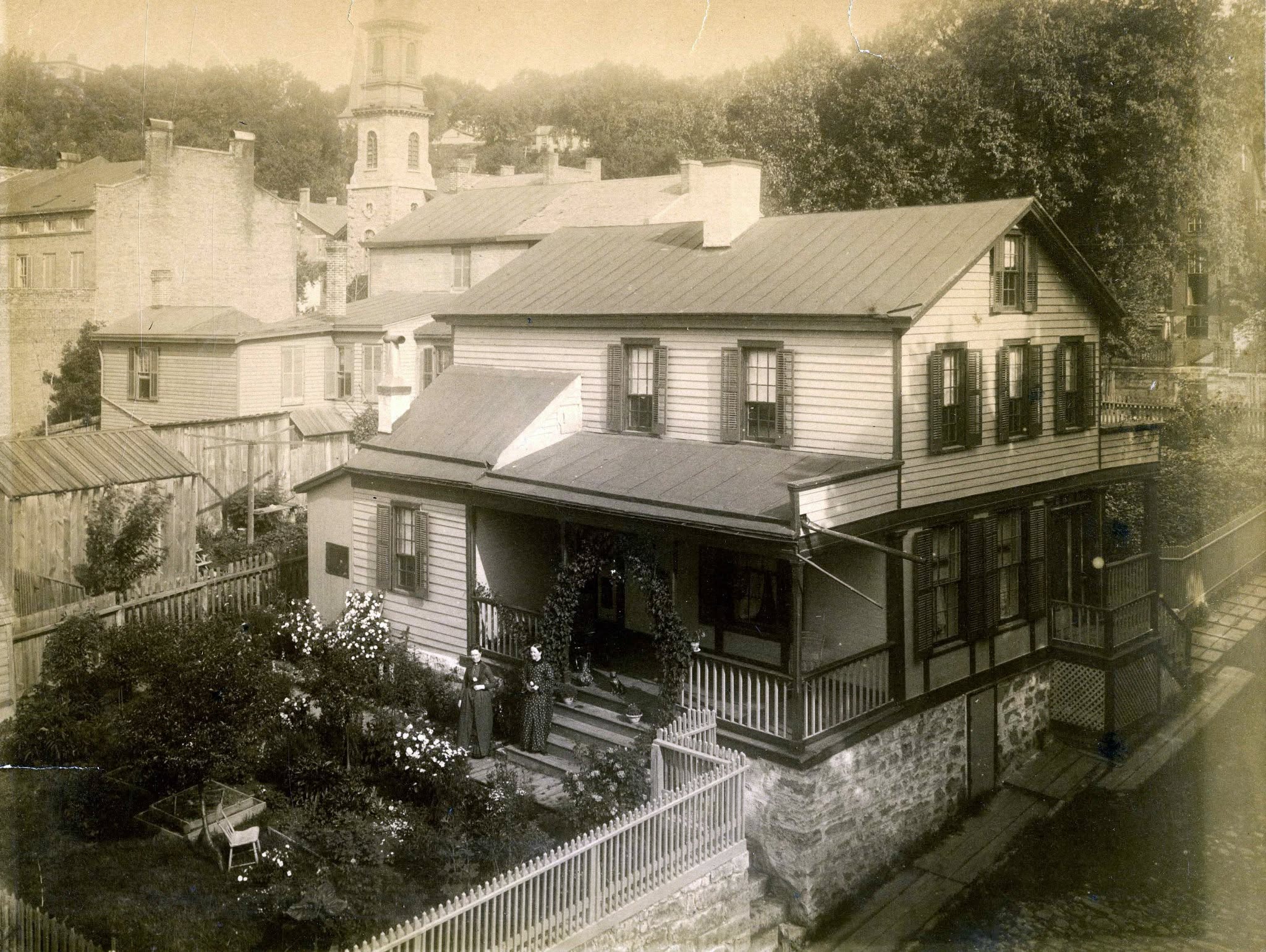
Margaret Gardner taught three generations of Galenians from 1870 to 1935 at Central School and at her home, Galena's Old Stockade.
Born in a little frame house on Seminary Hill to John and Mary Gardner on July 6, 1853, she was the second of ten children. In 1858 she entered into her schooling in the two room brick building which stood on the site where the Seminary School stands today. Miss Annie Gardner (no relation) was her very first teacher. This was a year before the Classical Institute for which the hill was named burned to the ground - an incendiary authorities thought was purposeful.
As a child she was taught piano by Mrs. Sophia Farrar, the sister of Hezekiah Gear who arrived in Galena in April of 1826. Sophia married the trader Amos Farrar and became the first white woman to teach in Galena. Amos died of consumption early in their marriage. After the Black Hawk War ended, Jo Daviess County wanted to take possession of Sophia's home in the stockade to convert it into a jail. She sued for ownership and won in 1837 by federal decree.
Margaret went on to become well known for her skill at the piano. She played for her students, events, weddings, funerals, and as the organist for St. Michael's Church then Grace Episcopal Church for many years. Just as Sophia before her, she would teach young children both academics and piano in the Old Stockade.
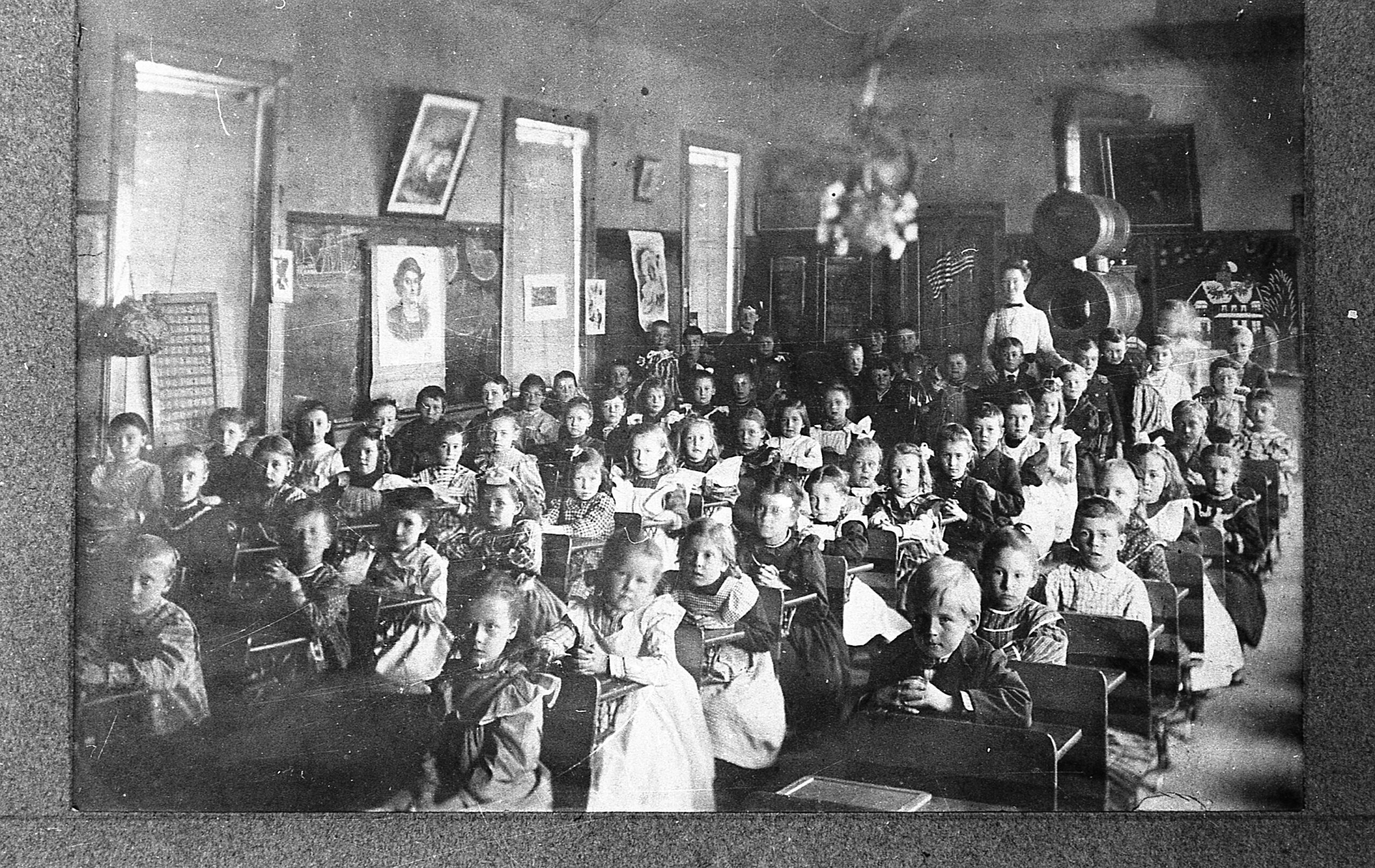
Upon reaching fifth grade, Margaret entered the three story, square, old Central School on Prospect Street in 1861. The younger students (Grades 1-4) were situated on the first floor. Margaret attended middle school through high school on the second and third floors respectively. Waxed glass partitions separated rooms on the first and second floors. Each room had a large oak stove and wood box, but the hallways had no heating. During the winter teachers and students made tea on the stoves and apples or potatoes in the drum to keep the cold at bay.
It was the beginning of the Civil War. Margaret recollected standing on the wooden sidewalks and watching young men in the Ryan Guards march off, some of whom surely never returned. Grocery prices skyrocketed as rationing took hold of the nation.
In 1868 Mr. George Peppoon of Warren was elected as county superintendent. In 1869 Margaret received her first teacher's certificate from him at sixteen years old and was elected to fill a vacancy in second grade before she even graduated in 1870. The next year, she was assigned to first grade and she excelled with those young minds.
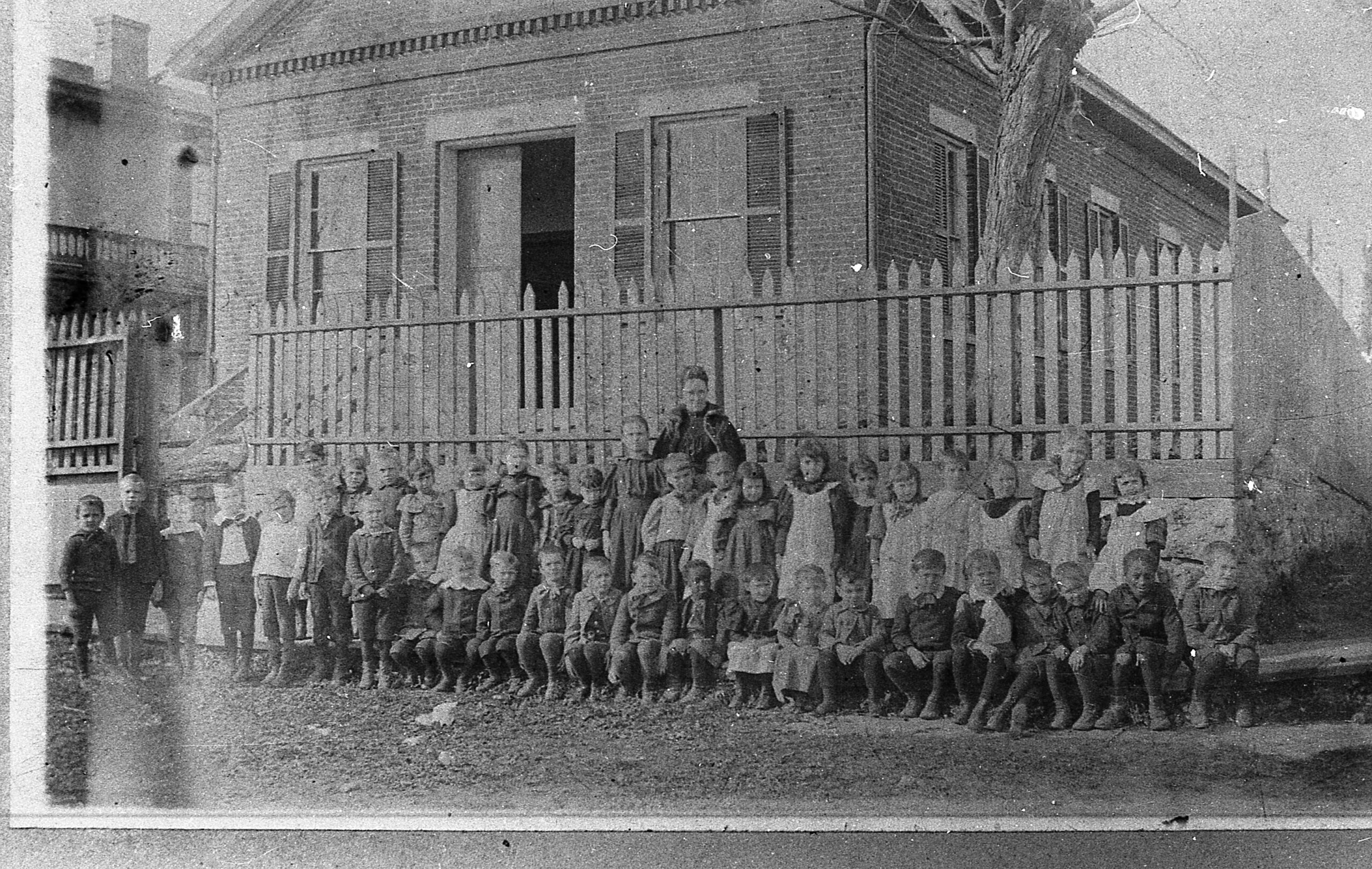 She believed in an individualized education for each boy and girl despite the large class sizes she had throughout her career. The largest being one hundred seven students in 1872. She never had less than sixty during her years at Central. Still when one mother asked her how she trained her seven boys so well, Miss Gardner replied that she had seven methods, one for each of them.
She had been taught to read using the Alphabet Method, but quickly learned by working with her own students that the Word Method made progress faster. She wrote words underneath pictures and adopted Webb’s Word Method, until a new educational literature proposed the Sentence Method.
 Later she said that she gave the children too much information in these early years. She grew into a philosophy that she would not give her students any information they couldn’t find on their own. “Work is to be done and they must do it.”
She was promoted to sixth grade and a higher salary for one year and found that these older students could not spell, so the next year she kept her higher salary, but went back to first grade in order to give the younger children a better foundation. She applied phonics to her first grade curriculum, incorporated songs, stories, puzzles, and even used musical scales to improve speech and therefore clarify the sounds of letters. She spoke at regional education conferences about the science and art of the rhythmic combination and vocal tones she used to instruct her students.
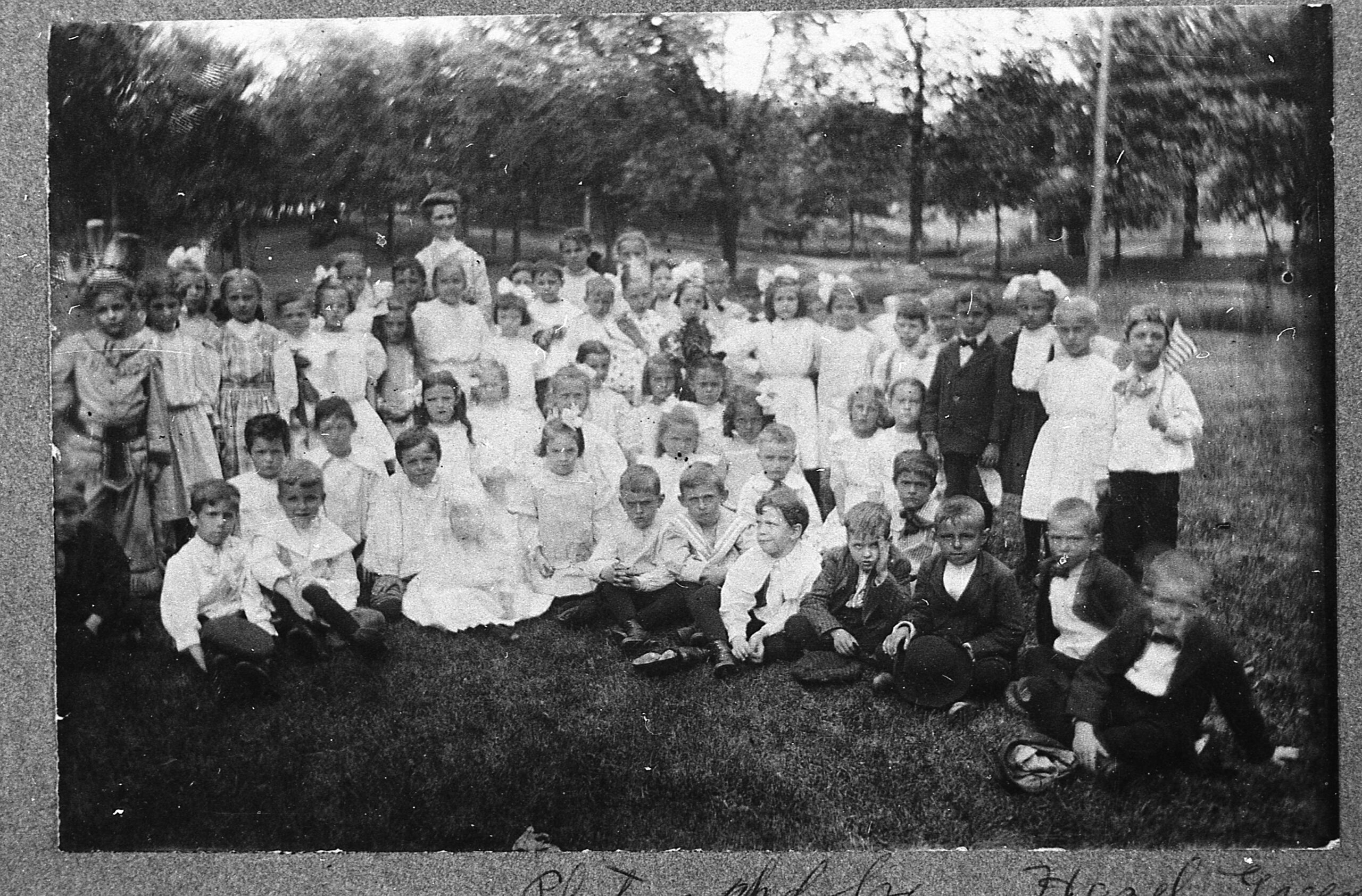
For math she used an abacus, watermelon seeds, corn, pegs, and sticks. They practiced using money with a box of cancelled stamps. She often lined her littles up and off they went to Grant Park for picnics.
 She devised holiday and seasonal craft projects, celebrated Grant’s birthday, made a train out of desks and chairs to imagine traveling to new places, traced lakes and rivers into the sand table. She held onto the slates even as paper and lead pencils made their way into other grades because “children love a slate.” She taught responsibility with those slates, having the children wash and dry them daily. On Fridays the children were expected to take them home and bring them back on Monday clean and ready for class.
She held many entertainments starring her students at Turner Hall to raise money for various causes such as books for the public library, an organ for the primary school, the town clock at Central School, and one for the Audubon Society. Her last was in May 1910, at which the teachers presented her with a pearl crescent pin in recognition of her forty years of service.
In 1883, Mrs. Sophia Farrar, at this point one of the last “old pioneers” of Galena, passed away in her home at the age of eighty three. She left no heirs and so the Old Stockade went up for auction. On February 5, 1884 at the front door of the Galena Courthouse, Mary Gardner was the highest bidder. She and her daughter moved in on February 22. Much work was to be done as Mrs. Farrar in her advanced age let much fall into disrepair. They lovingly revived the old home built on the original logs of the refuge.
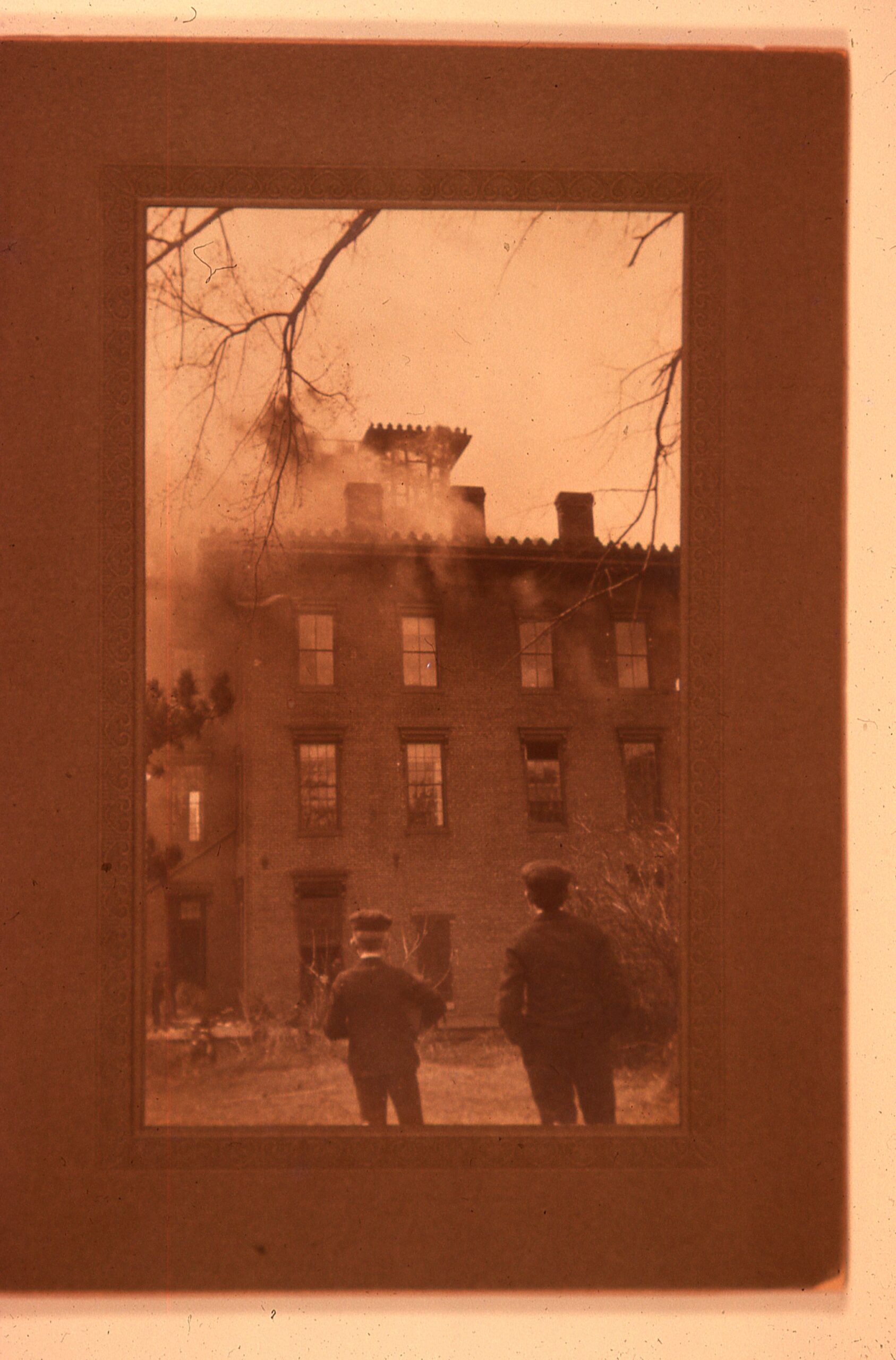
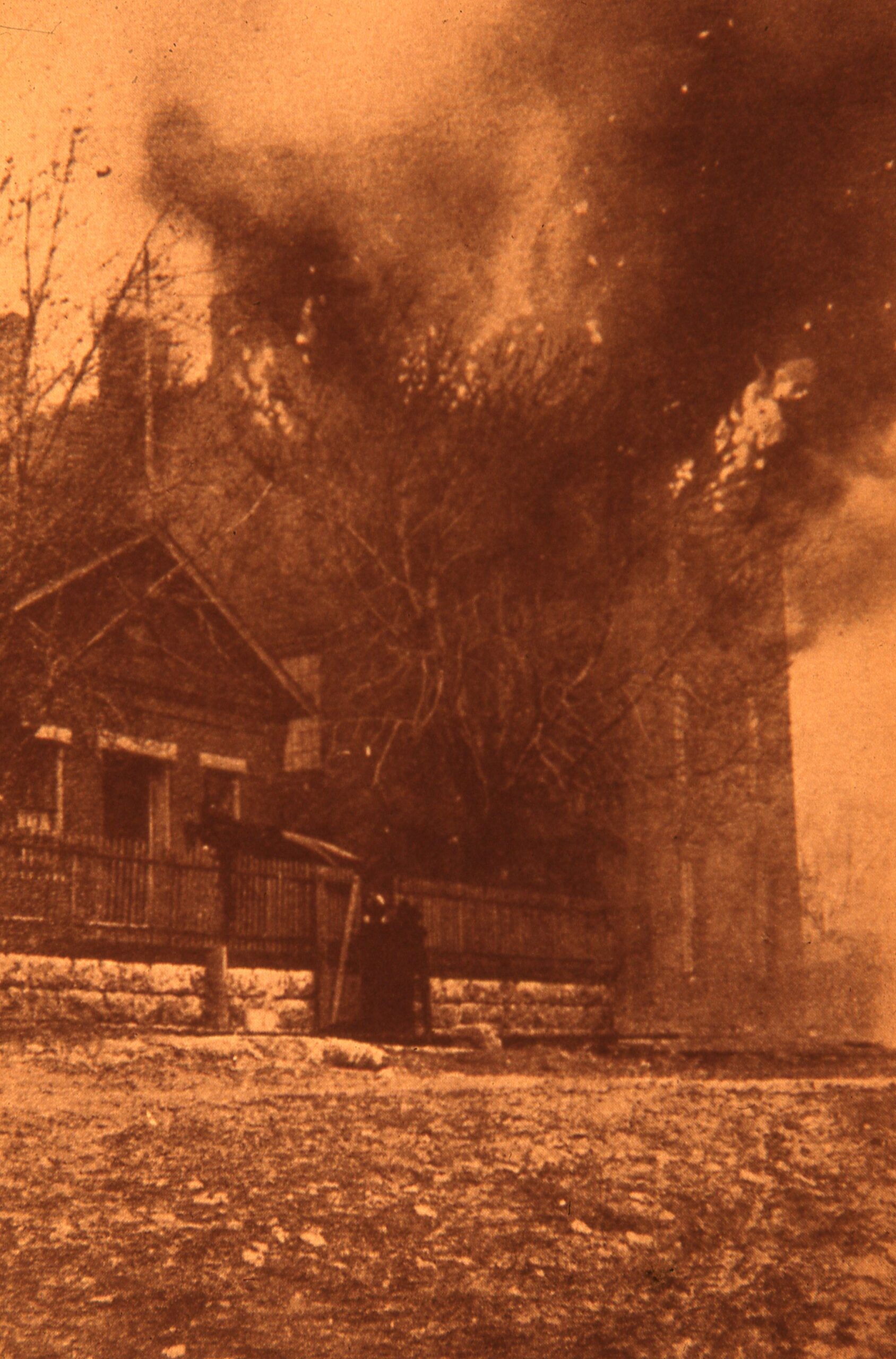
On April 11, 1904, Central School caught fire and burned down, but the little school house where Miss Gardner held her classes remained intact. She played her piano to calm the children as they lined up and went to the lawn while the fire blazed and continued to teach next to the ruins while the new school was built. When the foundation was complete, she was called to lay the first brick. She carried a flag and the brick to its laying place, one side etched with 1870-1905 (the years she had been a teacher), the other with 1863 (the number of students she had taught). Legend has it she placed a note under that brick, but later could not recall what she had written. It was by her efforts and her students performing entertainments at Turner Hall that the clock was installed at the new Central School. Unfortunately, years after her death, similar efforts did not result in its repair and electrification.
 She retired from public teaching in 1911 when she started using a hearing horn as an aid. From 1870 to 1911, she taught 2,300 students and was absent for only six days. Her wages averaged $23 per calendar month. A picnic was held in her honor and she was presented with a purse containing $65 in gold. In her retirement she dedicated her self to researching and preserving the Old Stockade.
The School Board asked her to teach again within a few years, so she held private kindergarten classes on the second floor of the Old Stockade in the morning. In the afternoons she worked as a stenographer for the Law Office of Mr. Mason Spensley.
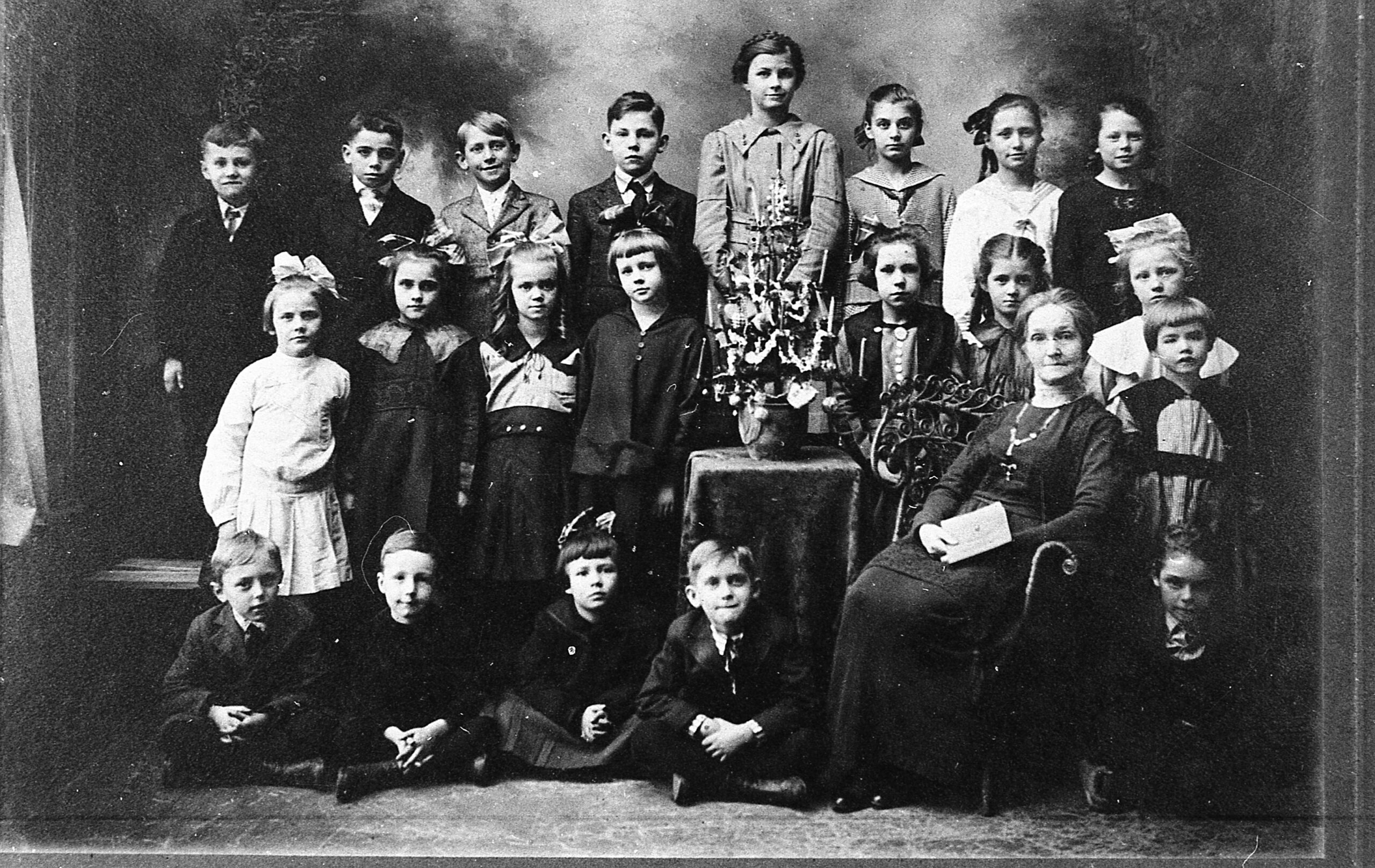 On June 14, 1932 she held a “tri-celebration” for Flag Day, the 100th anniversary of the Black Hawk War, and her expected retirement. Her former pupils, of which by this point there were many, presented her with a flag and placed a pole on the lot of her home. She held an open house and there was a parade. The Daughters of the American Revolution installed a marker on the site of the Block House. This was the first time historical tours of the Old Stockade were held for the public.
She officially retired from teaching in 1935 at eighty-two years old. By this time all her former high school classmates and the teachers she began with in 1870 had passed away. In 1939 she was received into the Delta Kappa Gamma Society, a professional teachers’ group, as an honorary member. The initiation took place in her home followed by supper in the Maybelle Tea Room owned by her niece. She said, “It is a pleasure, likewise a rare privilege which the fraternity has made possible for me to meet and know teachers, and for which I’m deeply appreciative.”
She died in her home on May 26, 1941. Galena Public Schools closed on the day of her funeral so the students and teachers could attend. Many mourned the loss of an extraordinary woman who had touched the lives of so many. Her nephew and niece (James Marcellus Rouse and May Belle Rouse) inherited the Old Stockade. It became the MayBelle Tea Room and a museum dedicated to educating visitors about Galena’s part in the Black Hawk War, a legacy of which Margaret would have been very proud.
 To learn more about Margaret Gardner and the Old Stockade click here to view archival articles, photos, documents, and more.
Written by Larissa Distler, Adult Services Librarian, Galena Public Library
With Special Thanks to Mike Fertig, Dale Glick, and Steve Repp, Historical Librarians, Galena Public Library
Sources:
Margaret Gardner: In Her Own Words compiled by Marilyn Johnson, Galena’s Old Stockade: Used During the Blackhawk War 1832 compiled by Florence Gratiot Bale, Galena’s Old Stockade: Used as a Refuge for Settlers During the Black Hawk War in 1832 compiled by May Belle Rouse from notes of research done by Margaret Gardner, Galena Daily Advertiser, Galena Daily Gazette, Galena Daily Courier